

Fine and ultrafine calcium carbonate
Five ground calcium carbonate grades, uncoated and coated, each defined by its mesh and particle size.
The basics
What is calcium carbonate?
Calcium carbonate, with the formula CaCO3, is the main mineral in limestone and marble. It is white, soft and chemically stable. Those qualities make it a standard filler and extender.
Ground calcium carbonate (GCC)
GCC is made by crushing and milling natural limestone or marble. The particles are irregular in shape, and the purity and whiteness depend on the stone it comes from. It is the most widely used form of CaCO3 in industry, and all five Khattco grades are GCC.
Precipitated calcium carbonate (PCC)
PCC is made by a chemical process instead of by grinding stone. It is finer and more uniform in particle size and shape, and it generally costs more. It is explained here so you can tell the two apart. Khattco’s range is GCC.
Product range
Two families, five grades.
Every grade has a product code. Quote the code when you enquire and we will know exactly which grade you mean.
Uncoated grades
Plain ground calcium carbonate with no surface treatment. Suited to water based and general purpose systems such as paints, putty, adhesives, rubber and paper.
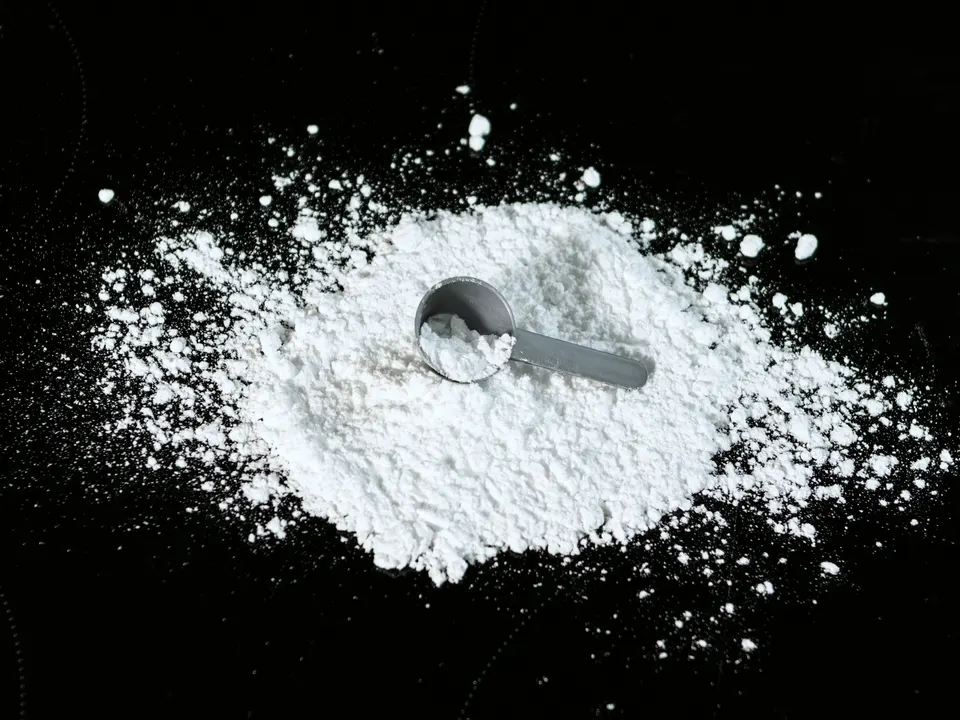 K-GCC-U5
Fine Uncoated Ground Calcium Carbonate
750 to 800 mesh
A fine, general purpose uncoated filler for paints, putty, adhesives, rubber and paper.
- D50 5 µm
- D97 max 20 µm
 K-GCC-U3
Fine Uncoated Ground Calcium Carbonate
1500 mesh
A finer uncoated grade for smoother paints, adhesives and sealants, and for paper.
- D50 3 µm
- D97 max 10 to 12 µm
 K-GCC-U2
Ultrafine Uncoated Ground Calcium Carbonate
1750 to 1880 mesh
An ultrafine uncoated grade for premium paints and coatings, sealants and paper.
- D50 2 to 2.4 µm
- D97 max 8 µm
Coated grades
Each particle is surface treated with stearic acid. The coating repels moisture and helps the powder disperse in polymers such as PVC, plastic film, masterbatch and rubber.
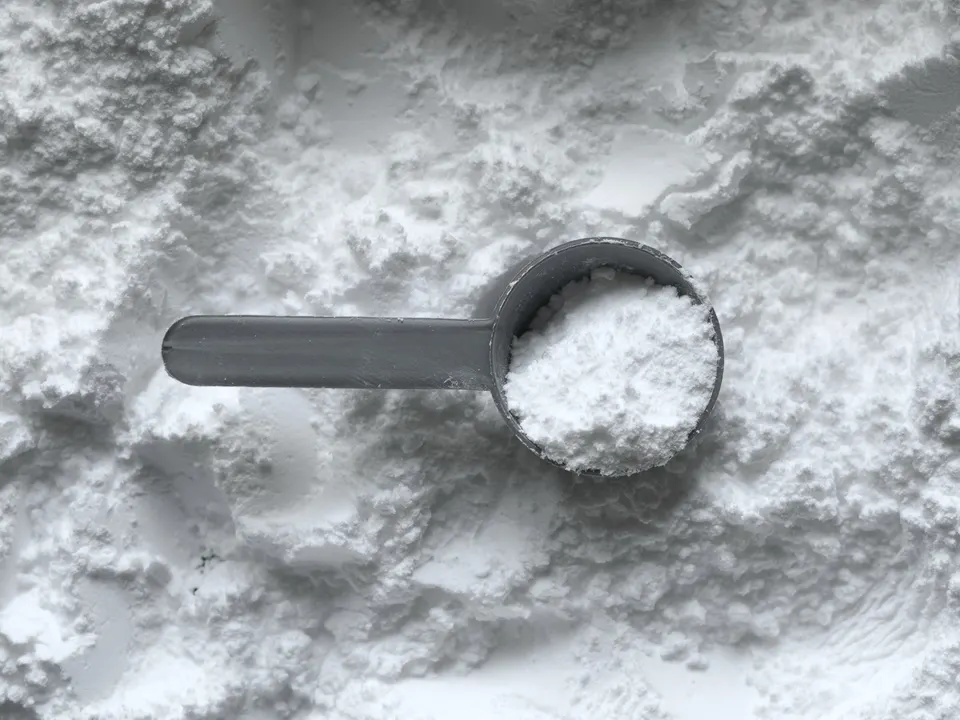 K-GCC-C2
Fine Coated Ground Calcium Carbonate
1750 mesh
A fine stearic acid coated grade for PVC, plastic film, masterbatch, rubber and sealants.
- D50 2 µm
- D97 max 8 µm
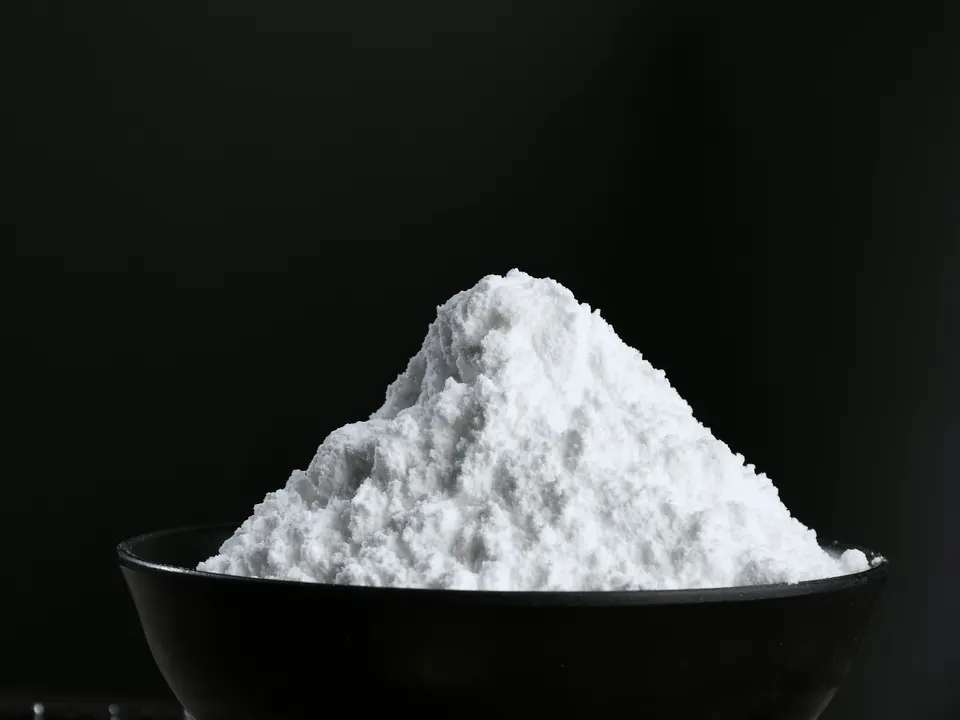 K-GCC-C1.5
Premium Ultrafine Coated Ground Calcium Carbonate
2500 to 3000 mesh
The finest grade, stearic acid coated, for thin plastic film, premium masterbatch, rubber and sealants.
- D50 1.5 to 1.7 µm
- D97 max 5 to 6 µm
Compare
All five grades side by side.
Mesh, D50 and D97 are the figures that define each grade.
| Code | Type | Mesh | D50 | D97 | Best suited for |
|---|---|---|---|---|---|
| K-GCC-U5 | Uncoated | 750 to 800 mesh | 5 µm | max 20 µm | Putty, general purpose paints, adhesives and rubber |
| K-GCC-U3 | Uncoated | 1500 mesh | 3 µm | max 10 to 12 µm | Paints and coatings, adhesives and sealants, paper |
| K-GCC-U2 | Uncoated | 1750 to 1880 mesh | 2 to 2.4 µm | max 8 µm | Premium paints and coatings, sealants, paper |
| K-GCC-C2 | Coated, stearic acid | 1750 mesh | 2 µm | max 8 µm | PVC pipes, profiles and cables, plastic film, masterbatch |
| K-GCC-C1.5 | Coated, stearic acid | 2500 to 3000 mesh | 1.5 to 1.7 µm | max 5 to 6 µm | Thin plastic film, premium masterbatch, sealants |
- K-GCC-U5
- Type
- Uncoated
- Mesh
- 750 to 800 mesh
- D50
- 5 µm
- D97
- max 20 µm
- Best suited for
- Putty, general purpose paints, adhesives and rubber
- K-GCC-U3
- Type
- Uncoated
- Mesh
- 1500 mesh
- D50
- 3 µm
- D97
- max 10 to 12 µm
- Best suited for
- Paints and coatings, adhesives and sealants, paper
- K-GCC-U2
- Type
- Uncoated
- Mesh
- 1750 to 1880 mesh
- D50
- 2 to 2.4 µm
- D97
- max 8 µm
- Best suited for
- Premium paints and coatings, sealants, paper
- K-GCC-C2
- Type
- Coated, stearic acid
- Mesh
- 1750 mesh
- D50
- 2 µm
- D97
- max 8 µm
- Best suited for
- PVC pipes, profiles and cables, plastic film, masterbatch
- K-GCC-C1.5
- Type
- Coated, stearic acid
- Mesh
- 2500 to 3000 mesh
- D50
- 1.5 to 1.7 µm
- D97
- max 5 to 6 µm
- Best suited for
- Thin plastic film, premium masterbatch, sealants
Reading the figures
What mesh, D50 and D97 mean.
Three figures describe how fine each grade is.
Mesh
Mesh is a sieve based name for fineness. A higher mesh number means a finer powder.
D50
D50 is the median particle size. Half of the particles are smaller than this figure and half are larger.
D97
D97 is the size below which 97% of the particles fall. It describes the coarse end of the powder, so a lower D97 means fewer large particles.
Not sure which grade you need?
Tell us what you are making and where it will be used. We will suggest a grade and arrange a sample.
Tell us what you need and we will send a quotation.
Send the product, grade, quantity and destination port. A technical data sheet and certificate of analysis are provided with every quotation.